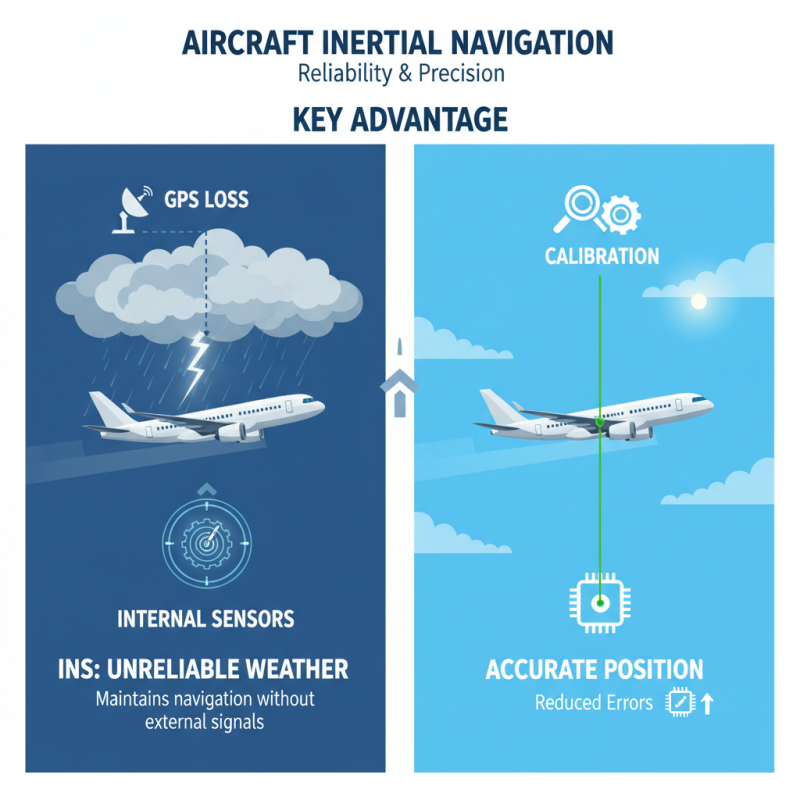
You know, Inertial Navigation Systems (or INS for short) are actually pretty crucial in today’s flying world. I came across what Dr. Emily Carter from AeroTech Innovations once said—she mentioned that 'precision in navigation is vital for safety and efficiency.' That really stuck with me because it shows just how important understanding these systems is.
Basically, inertial navigation works through sensors that keep track of an aircraft’s position, speed, and orientation. And get this—these sensors are pretty much relied upon, especially when GPS signals drop out or aren’t available. Of course, over time, these measurements can drift, which means inaccuracies can sneak in. That’s why pilots and engineers have to do regular calibration and keep a close eye on things to stay on track.
It’s not always smooth sailing, though. Airlines and manufacturers constantly wrestle with these challenges. The whole system can be quite complex, and it takes a lot of continuous learning and adaptation. It’s not just about the tech itself—it's about the people who operate and maintain it. As they push forward with new developments, they run into their own set of hurdles. Basically, understanding Inertial Navigation in aviation isn’t just a technical thing; it’s a real commitment to safety and excellence up in the skies.

Introduction to Inertial Navigation Systems in Aviation
Inertial Navigation Systems (INS) play a crucial role in aviation. They provide precise positioning and navigation without relying on external references. INS utilizes accelerometers and gyroscopes to determine an aircraft’s position, orientation, and velocity. According to the
International Society of Aviation Safety Investigators, around 70% of modern aircraft rely on these systems for seamless navigation.
The accuracy of an INS can degrade over time due to various factors. Errors accumulate from sensor drift. This means pilots need to input corrections periodically. Studies indicate that inaccuracies could lead to deviations of several nautical miles if not monitored. It highlights the importance of regular maintenance and calibration of these systems. The FAA has emphasized the need for rigorous standards to maintain INS reliability within acceptable limits.
Moreover, while INS is impressive, it is not infallible. The systems can struggle in certain conditions, like heavily wooded or urban areas. Such environments can disrupt sensor signals, leading to erroneous data. Therefore, backup systems are critical to ensure safety. This illustrates that while INS technology has advanced, there’s still room for improvement and response to challenges.
Principles of Inertial Navigation Systems and Their Functionality
Inertial Navigation Systems (INS) are crucial for aviation. They provide accurate location and speed information without external references. INS relies on accelerometers and gyroscopes to measure the aircraft's motion continuously. These measurements allow for a highly precise navigation solution.
One critical aspect is error accumulation. Even small measurement errors can grow over time, leading to significant discrepancies. A 2019 study indicated that, after a two-hour flight, INS errors could reach up to several kilometers. Pilots must be aware of these limitations and cross-check data with other navigation systems.
Tips for improving accuracy: Regularly calibrate inertial sensors. Updating software algorithms can enhance performance. Additionally, integrating GPS can mitigate the effects of drift and enhance reliability.
Moreover, different environments affect INS performance. For example, in urban areas with tall buildings, navigation accuracy can decline. Pilots might struggle to maintain correct positioning. Understanding these influences is vital for effective navigation. Continuous improvement and adaptation are key to mastering inertial navigation systems in aviation.
Components of Inertial Navigation Systems Used in Aircraft
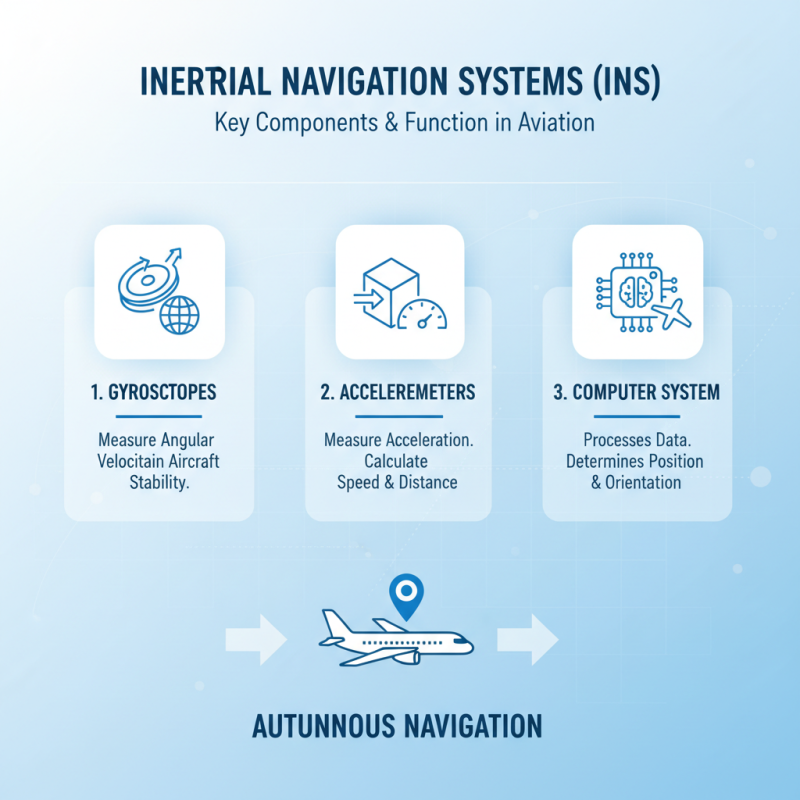
Inertial Navigation Systems (INS) play a crucial role in modern aviation. They are responsible for determining an aircraft's position and orientation without relying on external references. The key components of an INS include gyroscopes, accelerometers, and a computer system. Gyroscopes measure the angular velocity of the aircraft. These devices help maintain stability during flight. Accelerometers measure acceleration, allowing the INS to calculate speed and distance traveled.
The computer system processes data from these sensors. It integrates measurements over time to provide accurate navigation updates. This system is essential for long flights, where GPS may be unreliable, or during inclement weather. However, the calibration of these components can be challenging. Errors can accumulate, leading to inaccurate readings. Pilots must be aware of these potential inaccuracies in the Ins System Aviation.
In addition, the physical layout of an aircraft can affect the performance of the INS. Proper installation and alignment are vital. If not done correctly, the system may drift or give false readings. Regular maintenance and checks are necessary to ensure the system's reliability. Overall, while INS is highly effective, users must understand its limitations and the need for occasional recalibration.
Advantages of Inertial Navigation Systems in Modern Aviation
In recent years, the Inertial Navigation System (INS) has become essential in modern aviation. This technology allows aircraft to determine their position, velocity, and orientation without external references. By relying on internal sensors, INS offers greater independence. In fact, a report from the Aviation Safety Network noted that reliance on such systems has increased operational safety and efficiency.
One significant advantage of inertial navigation systems is their resilience. Unlike traditional navigation methods, INS is unaffected by weather or interference. A study by the International Air Transport Association found that over 70% of pilots prefer using INS for its accuracy in a variety of conditions. However, the challenge remains: INS can become less accurate over time due to drift. Regular updates and calibrations are necessary for optimal performance, which may require additional training and resources.
Furthermore, the integration of INS with other technologies enhances navigation capabilities. Combining it with satellite systems can improve precision significantly. However, the data fusion process is complex. Ensuring seamless communication between systems often proves challenging for aviation technicians. This highlights the need for continual evaluation of existing processes in the aviation industry to fully leverage the benefits of inertial navigation systems.
Limitations and Challenges of Inertial Navigation Systems
Inertial Navigation Systems (INS) play a crucial role in aviation, particularly within UAVs. However, these systems are not without limitations. One key challenge is the accumulation of errors over time. As a UAV navigates, small errors in measurement can compound, leading to significant discrepancies. A report from the Institute of Navigation highlights that drift can occur at rates of 1 to 1.5 nautical miles per hour.
Another limitation is the reliance on initial conditions. An Inertial Navigation System in UAVs needs precise initial position and velocity information. If this data is off, even slightly, the entire navigation process can become flawed. Research shows that this issue can result in positioning errors of several hundred meters.
**Tip:** Regular calibration of sensors can help mitigate some of these errors. Periodically checking the initial conditions can enhance the accuracy of the navigation system.
Environmental factors also impose challenges on INS. Variations in gravity and atmospheric conditions can affect sensor performance. In certain terrains or altitudes, these fluctuations may not be negligible. This variability can lead to unpredictable performance, which is concerning for critical missions.
**Tip:** Always consider the operating environment when planning UAV missions. Proper adjustments can reduce the impact of these external influences on navigation.
Understanding Inertial Navigation Systems in Aviation
Comparative Analysis: Inertial Navigation vs. Other Navigation Systems
Inertial navigation systems (INS) are crucial in aviation. They offer unique advantages over traditional navigation methods. Aircraft equipped with INS can calculate their position using internal sensors. This is a significant benefit during poor weather, where GPS signals may be lost. However, mistakes can occur. Calibration is essential for accuracy.
When comparing INS to other systems like GPS, several factors come into play. GPS relies on satellite signals which can be interrupted. In contrast, an INS operates independently, relying solely on onboard sensors. This independence is a double-edged sword. INS can drift over time, leading to potential inaccuracies if not regularly updated.
Another consideration is reliability. INS provides continuous updates, but they can be prone to errors. A fault in the system might lead to incorrect data. This is critical when flying in congested airspace. Pilots must know how to interpret these data correctly. Overall, understanding the nuances between INS and other navigation systems enhances safety and efficiency in aviation.
Future Trends in Inertial Navigation Technology in Aviation
Inertial navigation technology is evolving rapidly in aviation. This evolution focuses on enhancing accuracy and reducing weight. Advanced algorithms are being developed to process data more efficiently. The integration of artificial intelligence into navigation systems presents exciting possibilities. AI can improve decision-making in real-time. However, these advancements also come with challenges.
The future may see more sensor fusion techniques. Combining multiple data sources can lead to better navigation precision. Imagine a system that seamlessly integrates GPS and inertial data. Such a development could significantly enhance reliability. Yet, there is a risk of over-reliance on technology. Pilots must remain vigilant and ready to intervene when necessary. Balancing automation with human input is crucial.
New materials and miniaturization trends also play a role. Smaller sensors can lead to lighter aircraft. This could improve fuel efficiency and reduce costs. Still, the challenge lies in maintaining performance. As systems become smaller, their resilience under various conditions may be questioned. Continuous testing and refinement are essential. The journey toward improved inertial navigation systems is exciting but fraught with obstacles.
How to Understand Inertial Navigation Systems in Aviation?
| Dimension |
Details |
| Definition |
A navigation technique that uses the principles of inertia to calculate position and velocity from sensed accelerations. |
| Components |
Includes accelerometers, gyroscopes, and sometimes magnetometers. |
| Applications |
Aircraft navigation, guided missile systems, spacecraft guidance. |
| Advantages |
Does not require external references, high update rates, reliable in remote areas. |
| Challenges |
Drift over time, expensive calibration procedures, complexity of algorithms. |
| Future Trends |
Integration with GPS and other navigation systems, enhancements in sensor technologies, and AI-driven algorithms. |
Leveraging UAVs Navigation: Insights from the 2023 Market Analysis on the BSD120 Lightweight Inertial Navigation Sensor
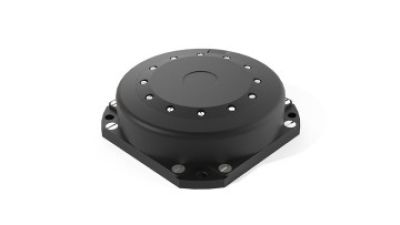
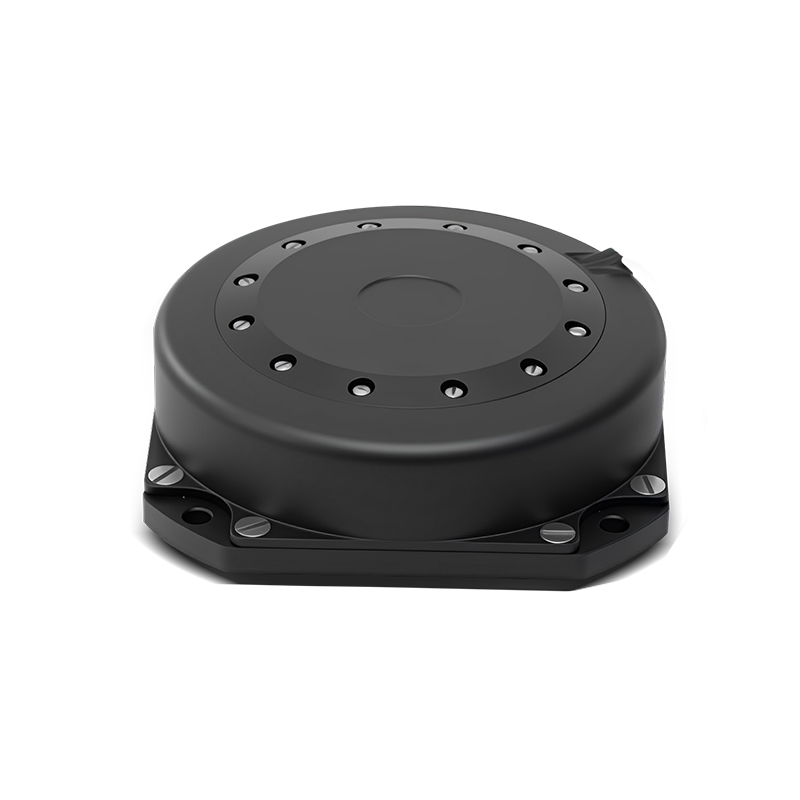
The landscape of UAV navigation is rapidly evolving, with cutting-edge technologies providing enhanced accuracy and reliability. The integration of advanced inertial navigation systems is crucial for unmanned aerial vehicles (UAVs) and autonomous applications. Among these innovations, fiber optic gyroscopes stand out for their exceptional performance. The uniaxial precision gyroscope is particularly noteworthy, as it delivers a fast startup and a wide measurement range, making it a pivotal component in modern navigation systems.
Characterized by their robust design and digital closed-loop technology, these fiber optic gyroscopes ensure precise navigation even in the most demanding conditions. With zero-bias stability improving operational reliability, their compact size allows for easy deployment in various applications—from aerial navigation to marine environments. Furthermore, their ability to resist vibration and shock significantly enhances their endurance in rugged settings, ultimately supporting high-precision tasks for both UAVs and autonomous vehicles.
As the demand for accurate navigation solutions expands, these advanced gyroscopes offer an ideal solution for applications needing rapid responsiveness and reliability. Their versatility not only supports land positioning and vehicle guidance but also sets a new standard for performance in industrial automation and navigation across diverse environments. Embracing these technological advancements will be pivotal as the market continues to develop, ensuring that UAVs can operate with unmatched precision and efficiency.
FAQS
: The product aims to enhance daily tasks and improve overall efficiency. It simplifies complex processes.
Anyone looking for better organization and productivity can find value. Students, professionals, and homemakers can all benefit.
The setup process is straightforward. Follow the included instructions carefully for best results. Mistakes happen, so take your time.
Yes, there is customer support for all users. Don't hesitate to reach out if you encounter challenges. It's okay to ask for help.
Absolutely, the product is versatile. It can adapt to various situations. However, exploring all features might take some time.
If you're unsatisfied, review your usage first. Sometimes, small adjustments can create better results. Reflect on your experience.
Regular maintenance is recommended to ensure peak performance. Neglecting it can lead to issues later on. It's an important step.
This product offers unique features that stand out. However, its suitability varies based on individual needs. Different users may prefer different options.
Conclusion
The article "How to Understand Inertial Navigation Systems in Aviation?" provides a comprehensive overview of inertial navigation systems (INS) and their critical role in modern aviation. It begins by introducing the fundamental principles behind INS, highlighting how these systems function using sensors to detect changes in an aircraft's motion. The components integral to INS, such as accelerometers and gyroscopes, are discussed in detail, showcasing their importance for accurate navigation.
Moreover, the article evaluates the advantages of INS, including high reliability and independence from external signals, while also addressing limitations and challenges, such as susceptibility to drift over time. A comparative analysis of inertial navigation systems against other navigation methods illustrates the strengths and weaknesses of each approach. Finally, the article explores future trends in inertial navigation technology in aviation, emphasizing ongoing advancements that promise to enhance navigational precision and efficiency in the skies. Overall, it serves as an informative guide to understanding the significance and evolution of inertial navigation system aviation.

 TBSD60
 BSD120
 BSD98
BSD98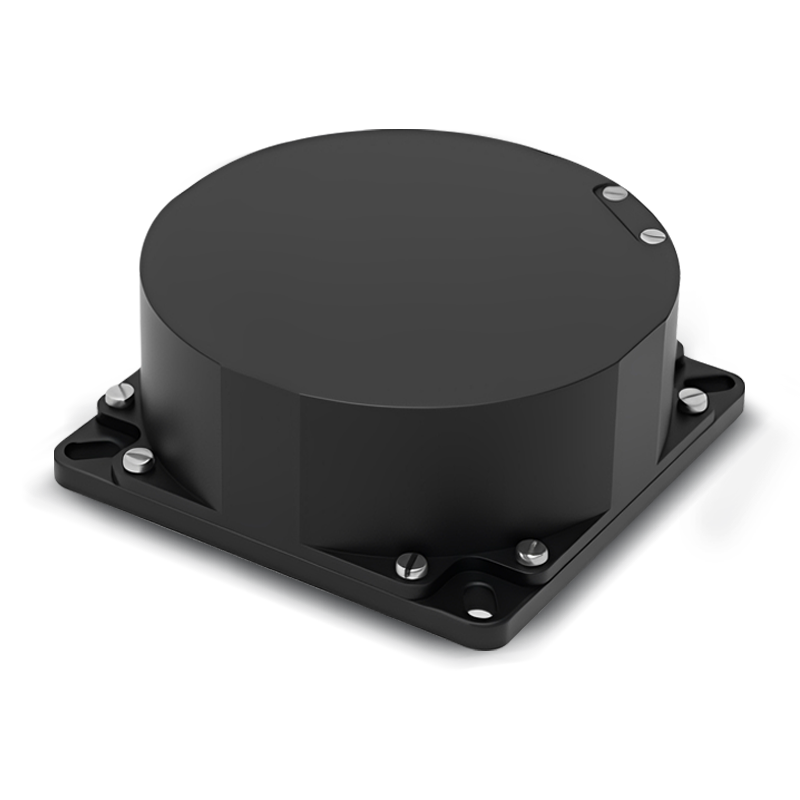 BSD70
BSD70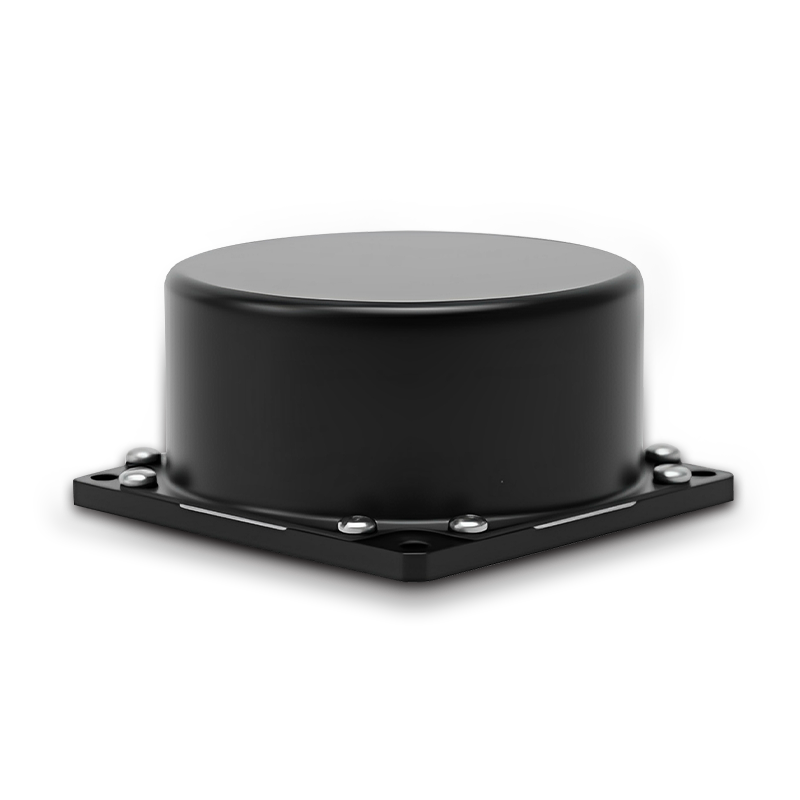 BSD60
BSD60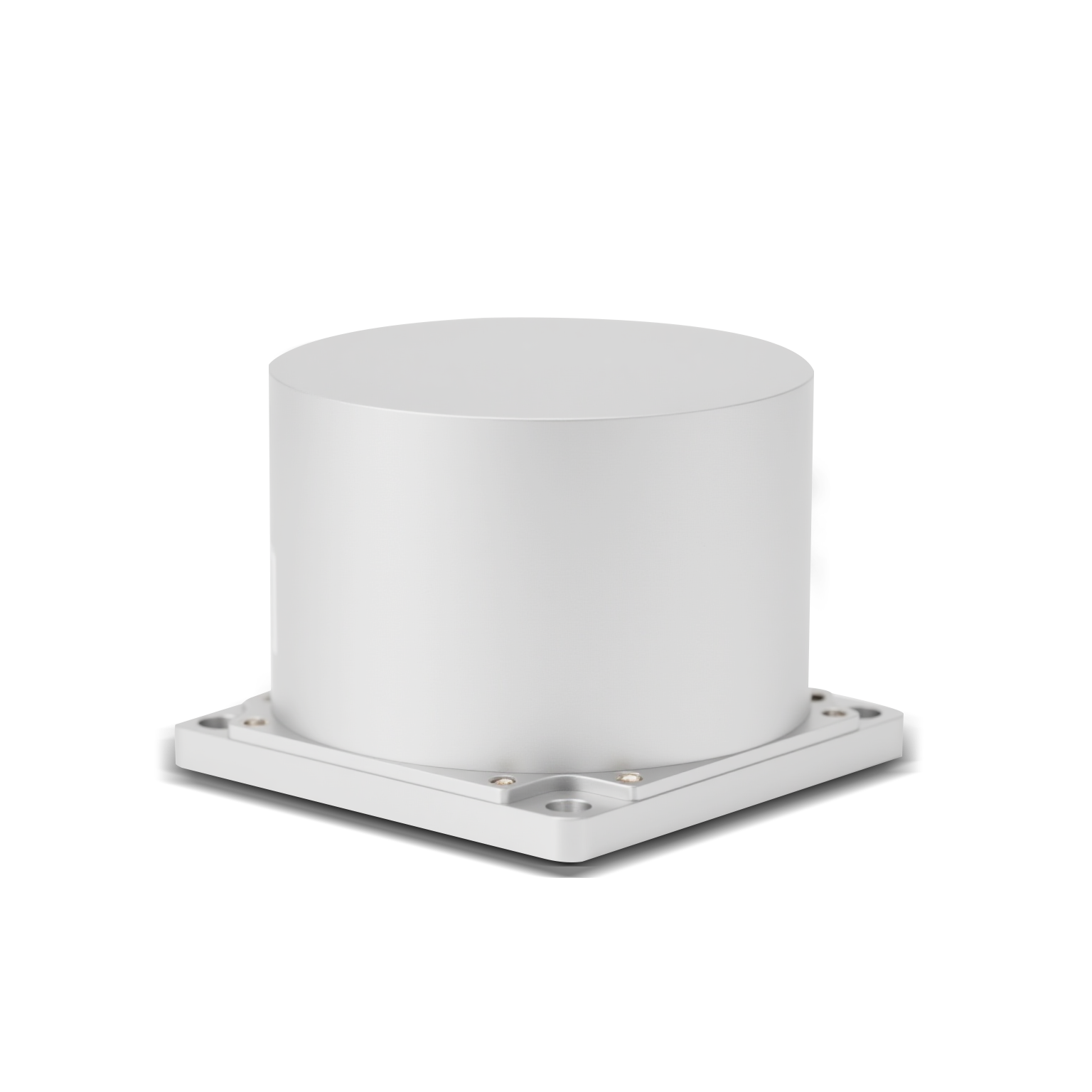 BSD50
BSD50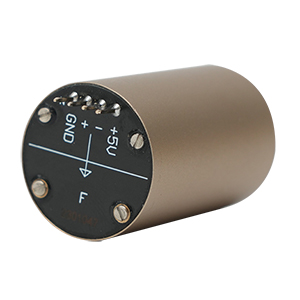 BSD217
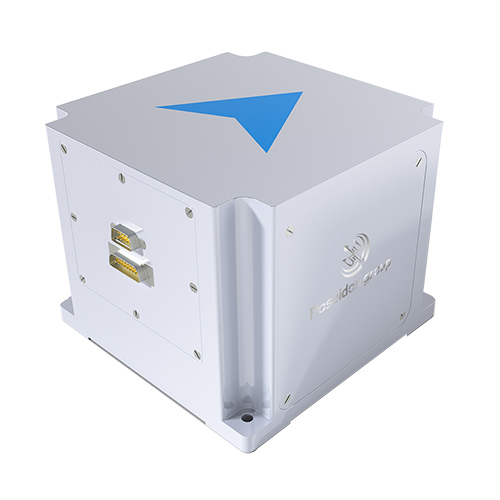 INS1700
 INS970
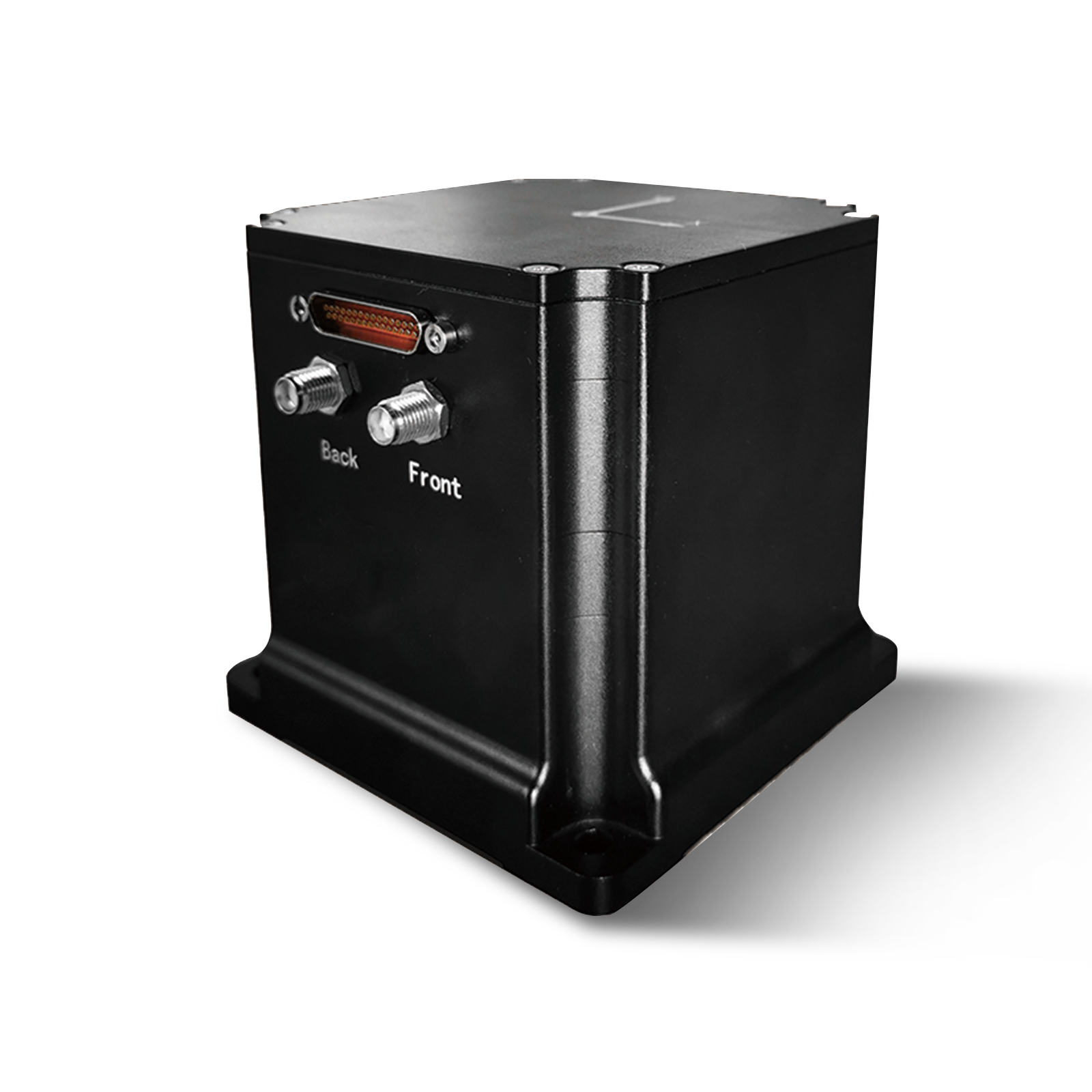 INS570
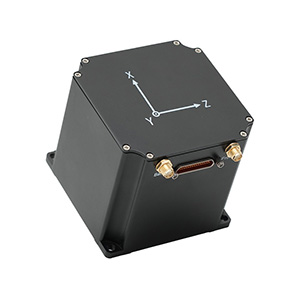 INS170
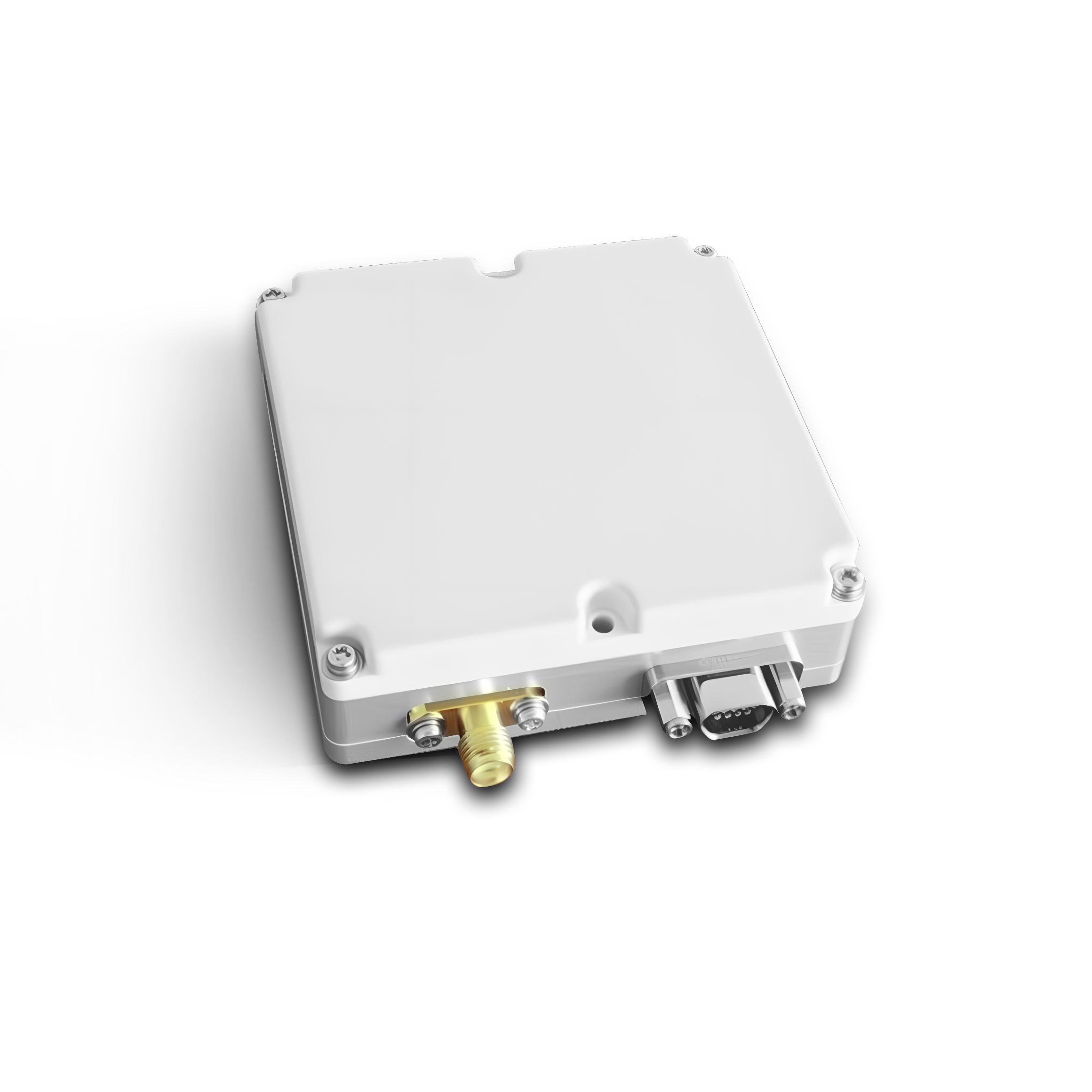 SLA-4B1L1-65
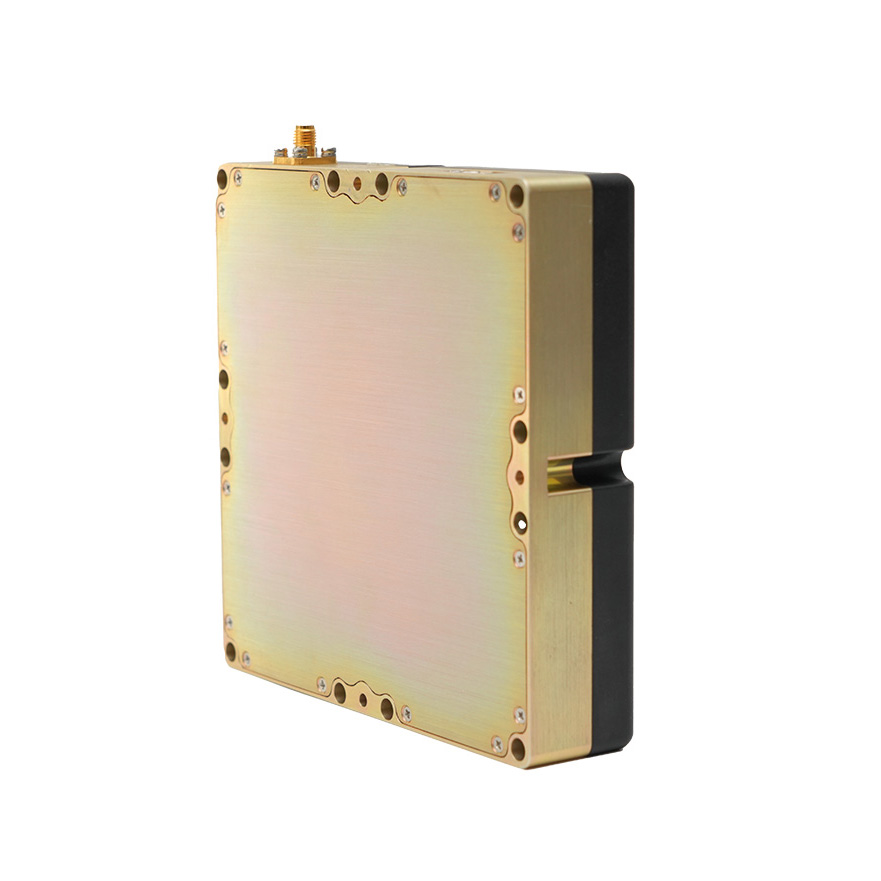 SLA-4B1L1-130
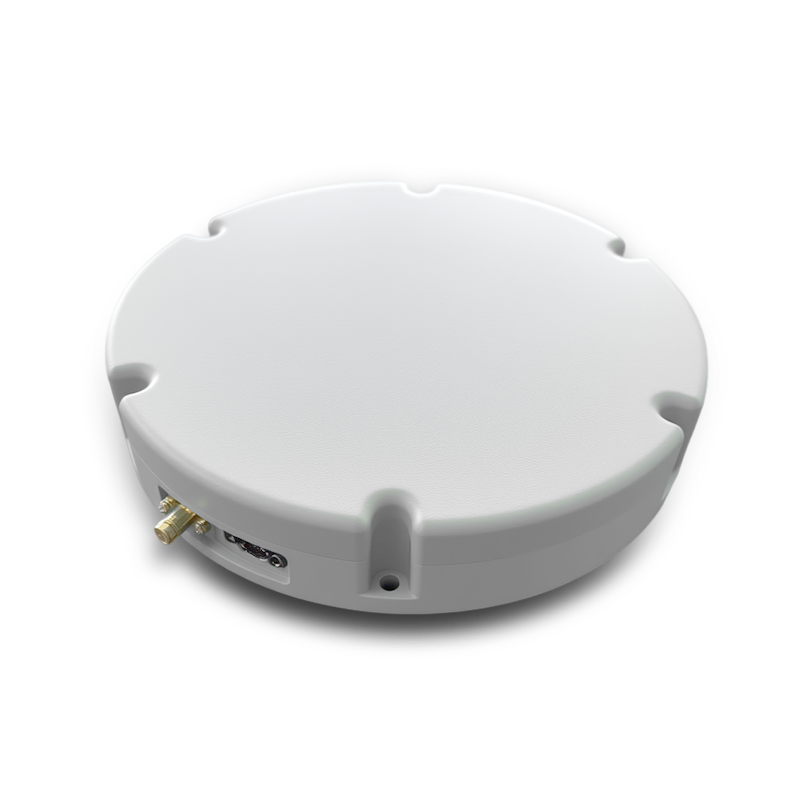 SLA-8B1L1-165
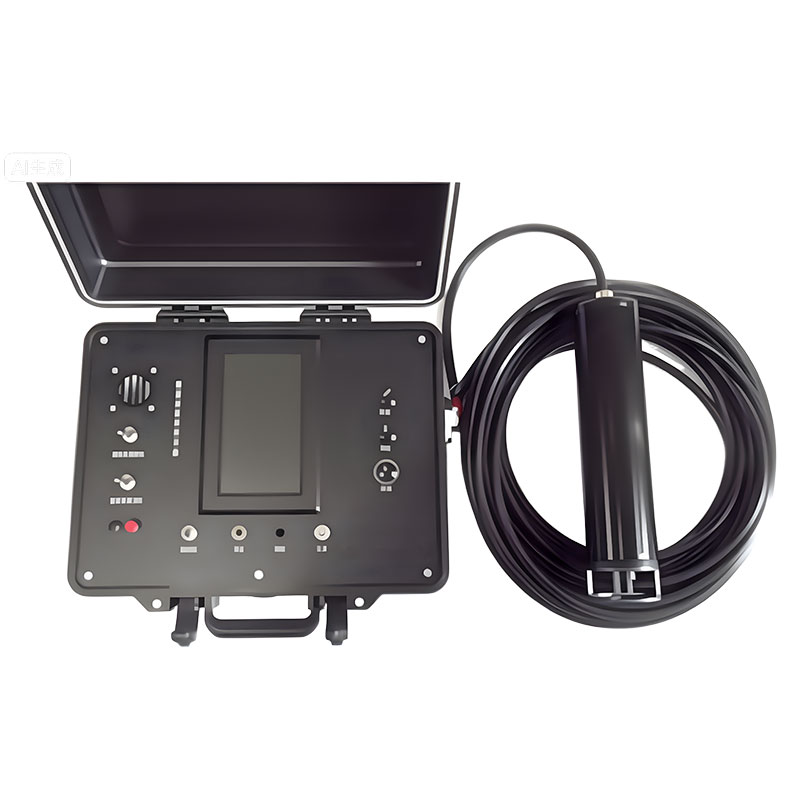 DIVER 101
 DIVER 102
 DIVER 103
 DIVER 104
 DIVER 105
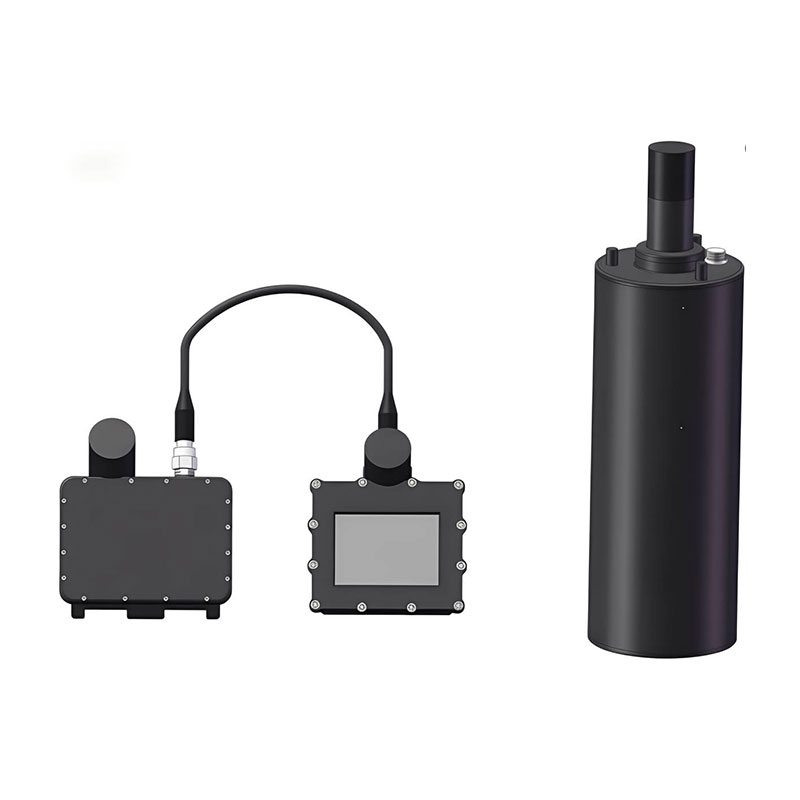 DIVER 106
 SLLR3000
 SLLR905
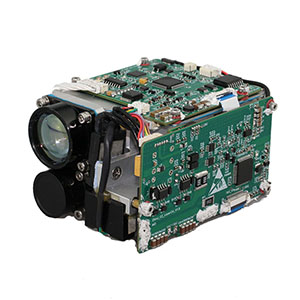 SLLD25
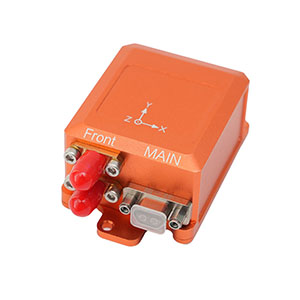 160M
160M 170M
170M SLFC-70
 SLAF280
 MR360
MR360