You know, navigation technology is really changing fast these days, and it seems like everyone wants high-quality Inertial Navigation Sensors (INS). A report from MarketsandMarkets mentions that the global inertial navigation system market is set to jump from $10.40 billion in 2021 to around $16.20 billion by 2026. That's a hefty compound annual growth rate (CAGR) of 9.3%! What's driving this boom? Well, it's mainly thanks to some cool advancements in areas like autonomous driving, aerospace, and defense, which pretty much shows just how much we need solid navigation solutions these days. So, you might want to check out Poseidon International Group (Hong Kong) Limited. Founded in 2013, they're digging deep into this innovation game, focusing on research, design, and production of fiber optic gyroscopes (FOG), INS, and integrated systems. They've nabbed quite a few technical patents along the way, and they’re really positioned to tap into global sourcing strategies to serve up top-notch inertial navigation solutions that can keep up with all this growing demand.
Overview of Inertial Navigation Sensors and Their Importance in 2025
As we move toward 2025, inertial navigation sensors are becoming increasingly vital across various sectors, from automotive technology to aerospace and defense. According to a report by MarketsandMarkets, the global market for inertial sensors is projected to reach $14.5 billion by 2025, growing at a compound annual growth rate (CAGR) of 10.3% from 2020. This growth is primarily driven by the rising demand for autonomous vehicles, smart devices, and advancements in robotics, all of which rely heavily on precise navigation capabilities.
Inertial navigation systems (INS) function by using a combination of accelerometers and gyroscopes to track the position and orientation of an object without the need for external references. In 2022, the aerospace industry accounted for approximately 35% of the overall market share, underscoring the importance of these sensors in flight navigation and guidance systems. Furthermore, with the increasing integration of INS in consumer electronics—such as smartphones and gaming devices—companies are seeking to enhance user experiences through more accurate motion tracking and navigation functionalities. As we head towards 2025, sourcing high-quality inertial navigation sensors will be crucial for companies aiming to stay competitive in these rapidly evolving markets.
Key Global Players in Inertial Navigation Sensor Supply Chains
You know, when it comes to Inertial Navigation Sensors (INS), there are a handful of big players really steering the ship in global supply chains, each one playing a part in how these crucial technologies are developing and becoming available. So, a recent market report from Stratistics MRC has some pretty interesting news—the global inertial navigation system market is predicted to skyrocket from about $4.75 billion in 2020 to over $10.67 billion by 2028, which translates to a growth rate of around 10.7% each year! Crazy, right? A lot of this growth is because there’s a surge in demand for precision applications, especially in aerospace, military, and automotive industries.
Big names like Honeywell, Northrop Grumman, and Thales are really leading the charge. They’ve got their hands on some cutting-edge tech and are investing loads into research and development. For example, Honeywell is pretty famous for its high-performance micro-electro-mechanical systems (MEMS) technology. This has taken the precision and size of inertial sensors up a notch. And then there’s Northrop Grumman, whose innovative algorithms for sensor fusion are pushing navigation accuracy to new heights. It’s hard to overstate how critical this stuff is for defense applications. Plus, the collaboration between these industry giants and newer companies is creating a vibe that’s all about constant improvement. It’s great for customers too, because it means they have a bunch of options tailored to what they really need.
Top Strategies for Sourcing the Best Inertial Navigation Sensors Globally - Key Global Players in Inertial Navigation Sensor Supply Chains
| Region |
Market Share (%) |
Key Application Areas |
Leading Technologies |
Supplier Engagement Strategy |
| North America |
30% |
Aerospace, Automotive, Defense |
MEMS, Fiber Optics |
Long-term partnerships with tech firms |
| Europe |
25% |
Robotics, Maritime Navigation |
In-runner, GNSS Integration |
Collaboration with academic institutions |
| Asia-Pacific |
35% |
Consumer Electronics, Industrial Automation |
MEMS, Quantum Sensors |
Aggressive sourcing with local manufacturers |
| Latin America |
5% |
Geospatial Tracking, Construction |
MEMS, Acoustic Sensors |
Partnership with local supply chains |
| Middle East & Africa |
5% |
Oil & Gas, Defense |
Ring Laser Gyros, Optical Sensors |
Network expansion and local assembly |
Innovative Technologies Shaping the Next Generation of Sensors
You know, innovative technologies are seriously shaking things up in the world of inertial navigation sensors. They're really stepping up precision and reliability for all kinds of applications, from aerospace to robotics. One of the coolest advancements is the use of micro-electromechanical systems, or MEMS for short. These little guys have helped to shrink down sensors while still keeping their performance top-notch. MEMS-based inertial sensors are not only lightweight, but they also consume way less power, which makes them a perfect fit for portable devices and drones.
On top of that, artificial intelligence is really lending a hand in boosting sensor fusion techniques. By mixing data from inertial sensors with other positioning tech, AI algorithms can really ramp up navigation accuracy, especially in tricky places where GPS might not work so well. This combo doesn't just improve performance; it also opens the door to self-learning systems that adapt as conditions change. As these technologies continue to evolve, we're on the brink of a new era of inertial navigation sensors that promise levels of accuracy and reliability we've never seen before. It’s pretty exciting to think about how this could change the way we navigate in our day-to-day lives.
Inertial Navigation Sensors Market Share by Technology (2023)
This chart illustrates the market share of various technologies in the inertial navigation sensors sector as of 2023. The data shows the dominance of MEMS sensors, while fiber optic and ring laser gyroscope technologies also maintain significant portions of the market.
Strategies for Evaluating Sensor Quality and Performance
So, when you're looking for inertial navigation sensors, it's super important to really dig into the quality and performance to make sure they work like they should. One solid strategy is to take a close look at the sensor specs and pay attention to key things like accuracy, drift performance, and bandwidth. Generally, if a sensor has high precision, it tends to have tighter specs, which means it performs better in fast-changing environments. Plus, figuring out the operational range and sensitivity of a sensor can really help you pick the right one for your needs—whether you’re working in aerospace, automotive, or even consumer electronics.
Oh, and don’t forget about testing! It’s a good idea to do real-world tests to see how well the sensor actually performs under everyday conditions. Partnering up with manufacturers who can share detailed metrics and test data, like signal-to-noise ratios and temperature stability, is a smart move. Putting a solid quality assurance process in place, especially one that benchmarks against the industry standards, can also make a big difference in choosing sensors that truly meet your performance needs. And using simulation tools can help predict how different sensors will act in various situations, which makes your decision-making a whole lot easier. By blending those technical specs with hands-on testing, businesses can make sure they're getting the best inertial navigation sensors out there on the market.
Challenges in Sourcing Inertial Navigation Sensors in 2025
You know, as we head into 2025, the demand for inertial navigation sensors is really taking off. But here's the kicker: sourcing these components is getting trickier by the day. We’re talking about supply chain disruptions from geopolitical stuff, manufacturing delays, and those pesky fluctuations in raw materials. It’s not easy! Companies really have to navigate through all these hurdles while still making sure their sensors are top-notch and reliable.
One solid tip to help with this mess is to build good relationships with a bunch of different suppliers. Seriously, diversifying your supplier base is key. It helps to lessen the blow if one supplier hits a snag, and it can even lead to better prices and more leverage when you're negotiating deals. Plus, keeping an open line of communication with your suppliers about what you need can result in quicker service and some creative solutions.
And let’s not forget about staying on top of tech advancements. Inertial navigation systems are changing fast, and staying in the loop with the latest trends can really give you an edge over the competition. So, hitting up industry conferences and chatting with the experts can give you some cool insights into what’s coming down the pipeline and how it might affect your sourcing. By staying proactive, companies can find the best sensors that fit whatever specific needs they have.
Future Trends Impacting the Inertial Navigation Sensor Market
The market for inertial navigation sensors is really buzzing right now, thanks to some pretty cool tech advancements and a growing need for precision in all sorts of applications. One major trend we’re seeing is the integration of artificial intelligence and machine learning into these sensors. It’s exciting because these innovations not only boost accuracy but also equip the devices with adaptive algorithms that can enhance navigation systems on the fly. This means fewer errors, especially in tricky environments – which is a big win!
And let’s not forget about miniaturization and the rise of MEMS (Micro-Electro-Mechanical Systems) in this field. Moving towards smaller, more efficient devices is a game changer, making these sensors more accessible for everything from consumer gadgets to cars. Plus, it really opens the door for their use in drones and self-driving vehicles. As tech keeps advancing, we can expect the market for inertial navigation sensors to grow quite a bit, fueled by the demand for reliable and precise navigation solutions across various industries.
Enhancing Navigation Accuracy: Exploring 2023 Trends in GPS-Denied Environments with INS1700 Anti-Jamming Solutions
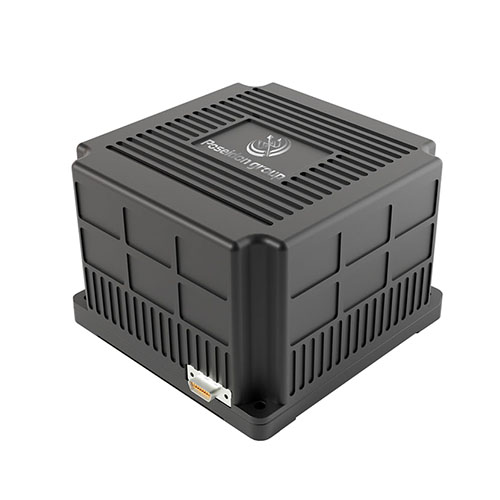
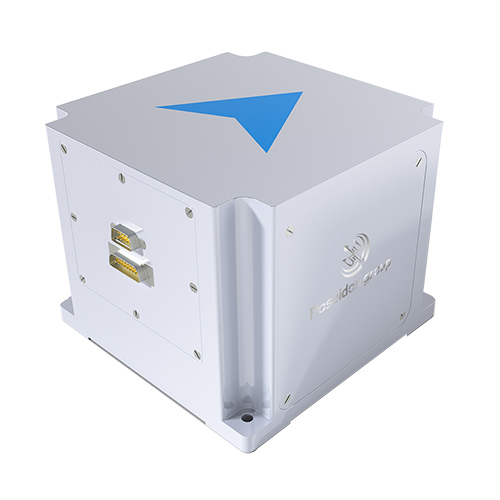
As we navigate through 2023, the growing demand for precise navigation in GPS-denied environments has led to significant advancements in anti-jamming solutions. The Poseidon INS1700 High-Precision Integrated Navigation System stands out in this landscape, offering robust performance through the integration of fiber optic gyroscopes (FOG) and MEMS accelerometers. This innovative system is designed to excel in environments where GPS signals are unreliable or unavailable, making it especially valuable for autonomous vehicles engaged in inspection and maintenance tasks.
According to a recent industry report, the global market for autonomous inspection vehicles is projected to reach USD 5 billion by 2025, driven by the increasing need for efficiency and safety in operations. The INS1700 addresses these needs by providing real-time data on heading, attitude, speed, position, angular rate, and acceleration. This comprehensive suite of information not only enhances the accuracy of navigation but also reduces human intervention, allowing for early detection of potential issues and minimizing operational disruptions.
Furthermore, the compact design and low power consumption of the INS1700, combined with the ability to support external sensors like odometers and Doppler Velocity Log (DVL), make it a versatile solution in diverse environments. As industries continue to adopt autonomous technologies, solutions like the Poseidon INS1700 will play a crucial role in ensuring seamless navigation and maintaining operational efficiency, even in the most challenging conditions.
FAQS
: Inertial navigation sensors are devices that use accelerometers and gyroscopes to track the position and orientation of an object without external references. They are crucial for industries like automotive, aerospace, and defense, as their demand rises with the growth of autonomous vehicles, smart devices, and advancements in robotics.
The growth of the inertial sensor market is largely driven by the increasing demand for autonomous vehicles, smart devices, and improvements in robotics, all requiring precise navigation capabilities, with projections indicating the market will reach $14.5 billion by 2025.
The aerospace industry significantly relies on inertial navigation sensors, accounting for approximately 35% of the overall market share in 2022. These sensors are essential for flight navigation and guidance systems.
Key players in the inertial navigation sensor market include Honeywell, Northrop Grumman, and Thales, each contributing to advancements through high-performance MEMS technology, innovative algorithms for sensor fusion, and extensive research and development.
Innovations such as micro-electromechanical systems (MEMS) technology are enabling the miniaturization of sensors while maintaining performance. These sensors are lightweight and consume less power, suitable for portable devices and UAVs.
Artificial intelligence is improving sensor fusion techniques by combining data from inertial sensors with other positioning technologies, enhancing navigation accuracy in environments with weak or unreliable GPS signals.
The global inertial navigation system market is expected to grow from approximately $4.75 billion in 2020 to over $10.67 billion by 2028, reflecting a CAGR of around 10.7%.
As the market for inertial navigation sensors rapidly evolves, sourcing high-quality sensors is vital for companies seeking to remain competitive, ensuring they deliver accurate navigation capabilities to meet the growing demands of various industries.
MEMS-based inertial sensors are essential in modern devices due to their lightweight design and low power consumption, making them suitable for integration into portable devices like smartphones and UAVs, thereby enhancing user experiences with accurate motion tracking.
The integration of innovative technologies such as MEMS and AI enhances the reliability and precision of inertial navigation sensors, paving the way for advanced self-learning systems that adapt to changing conditions, ultimately transforming modern navigation practices.

 TBSD60
 BSD120
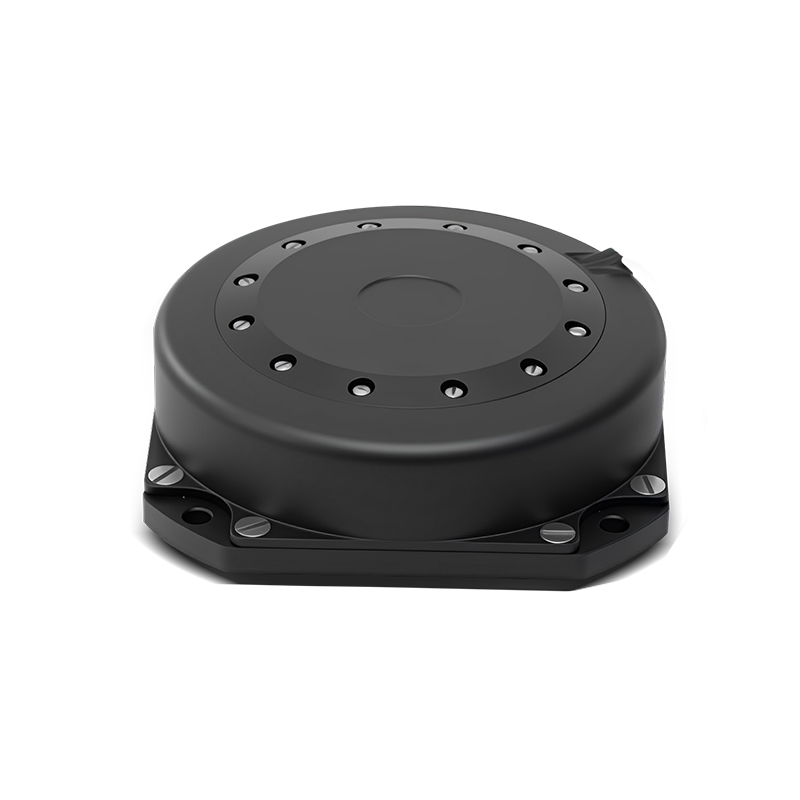 BSD98
BSD98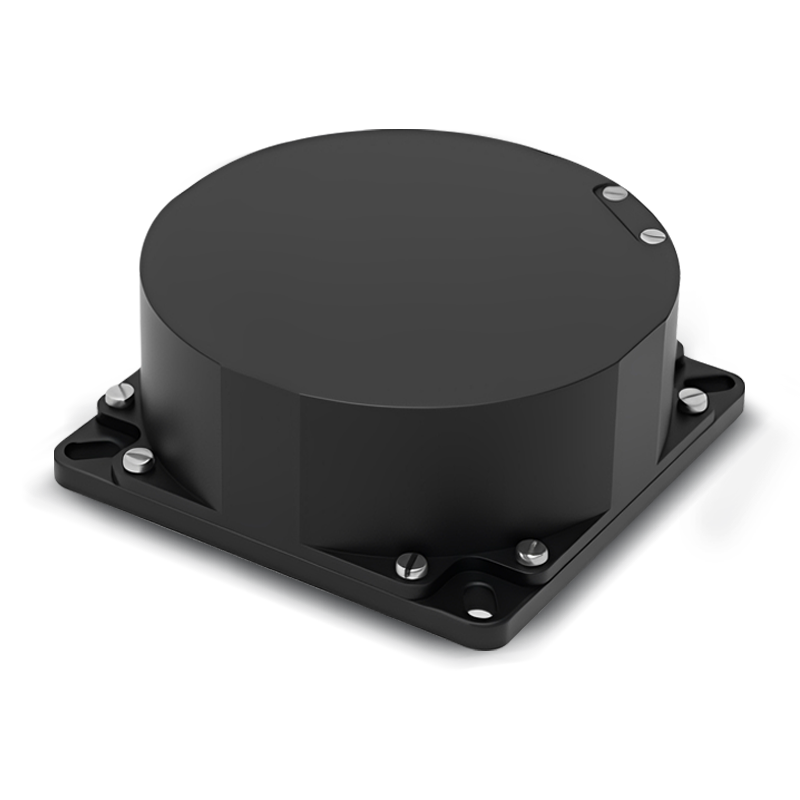 BSD70
BSD70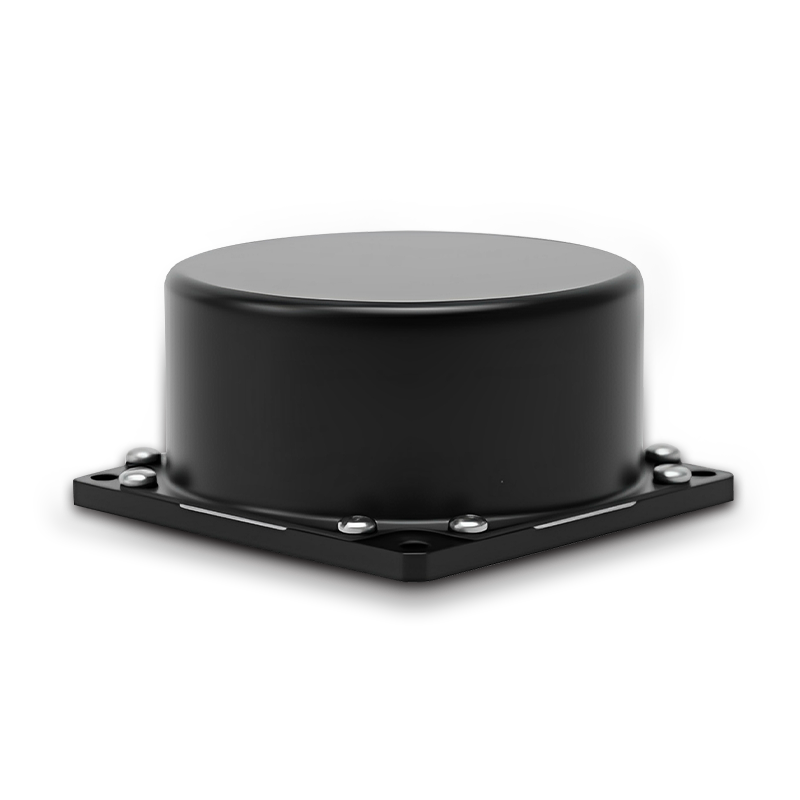 BSD60
BSD60 BSD50
BSD50 BSD217
 INS1700
 INS970
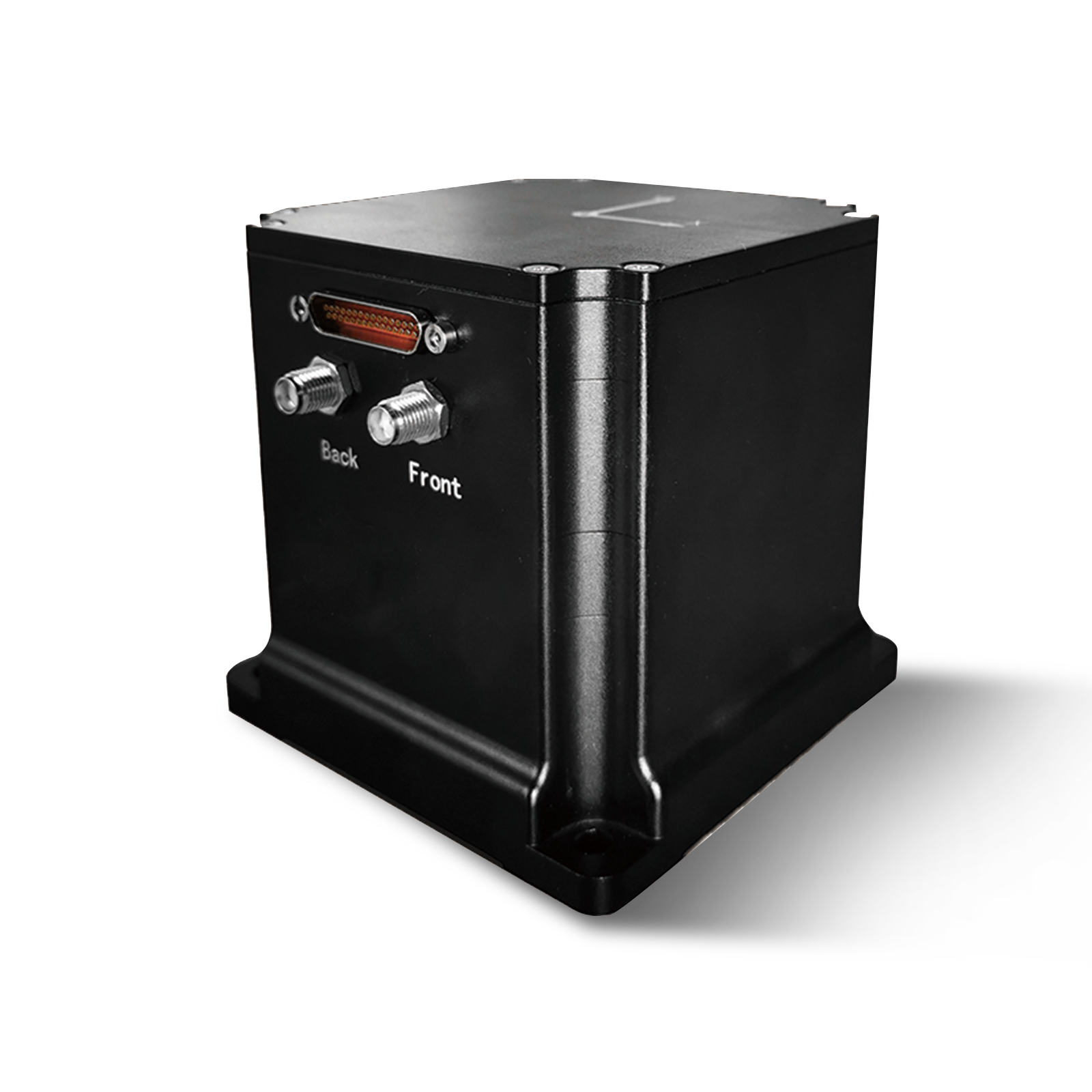 INS570
 INS170
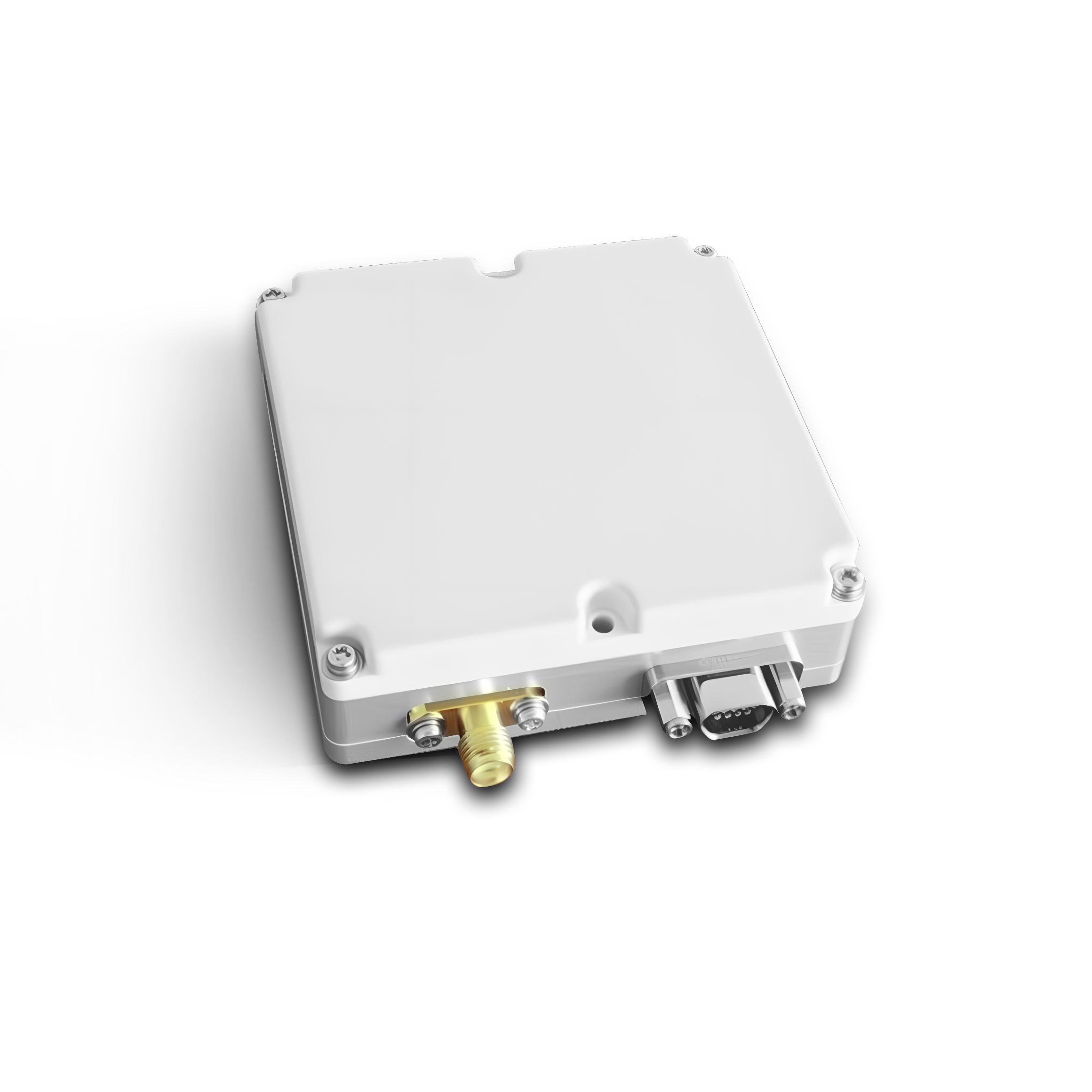 SLA-4B1L1-65
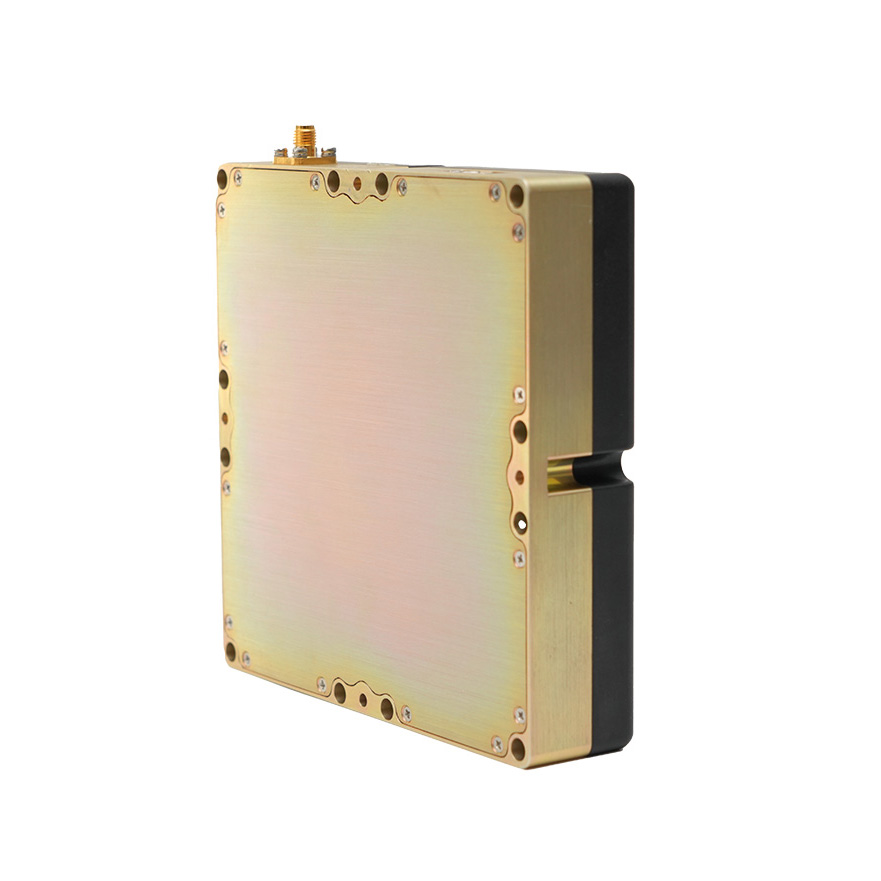 SLA-4B1L1-130
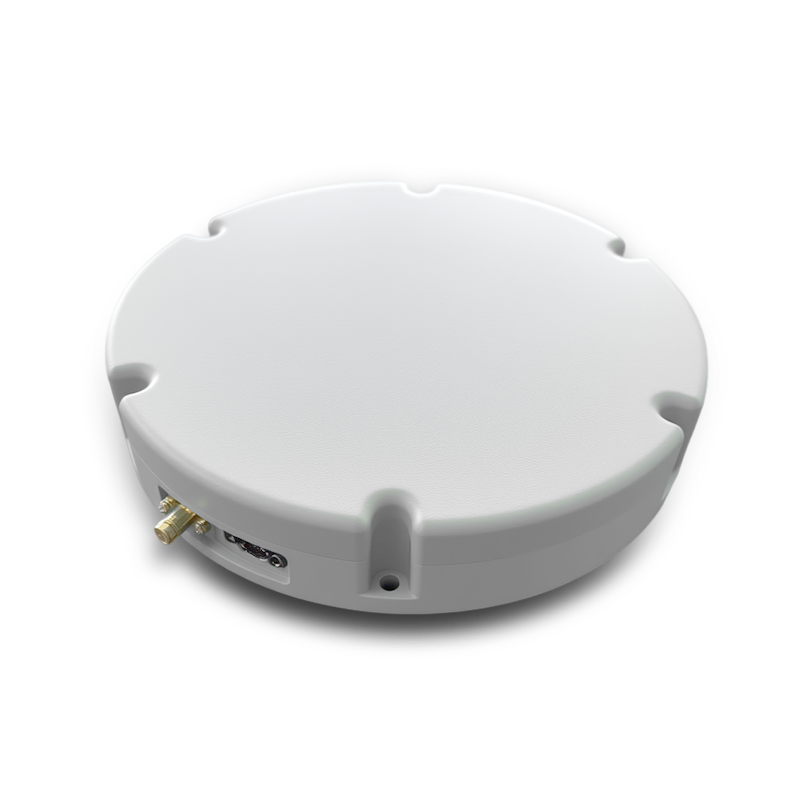 SLA-8B1L1-165
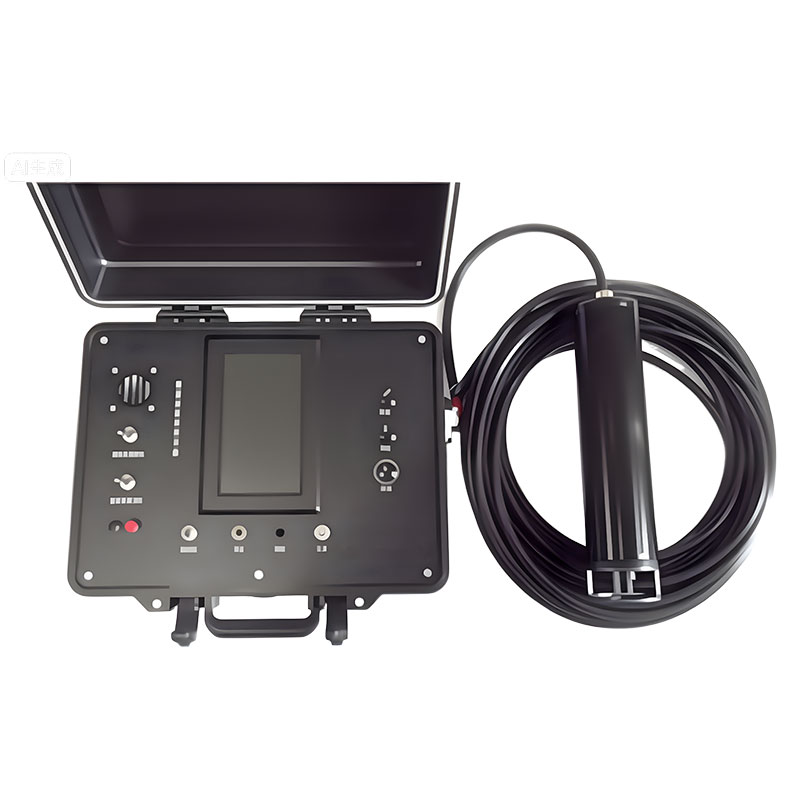 DIVER 101
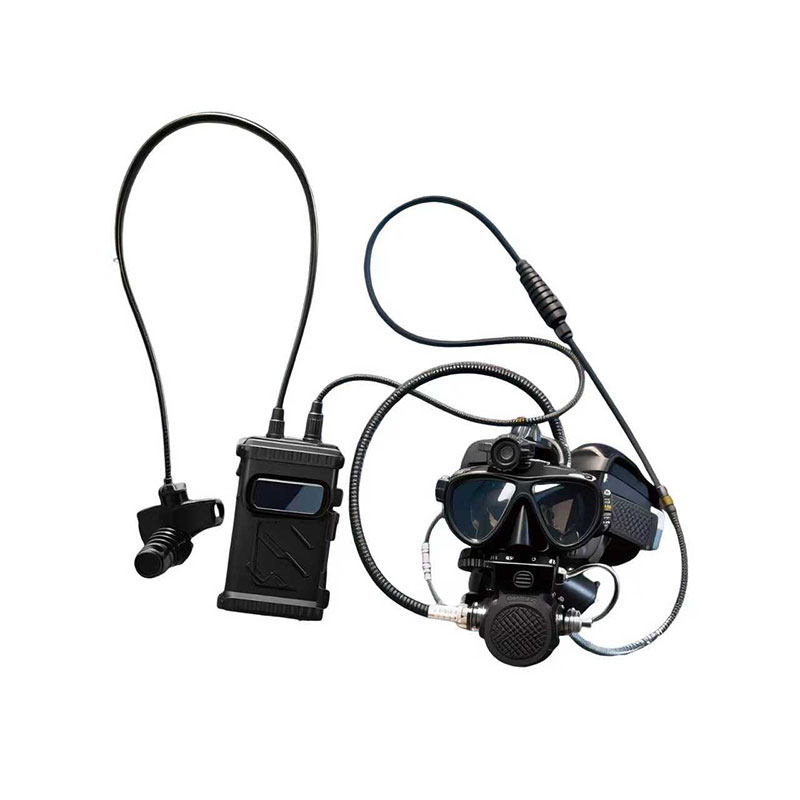 DIVER 102
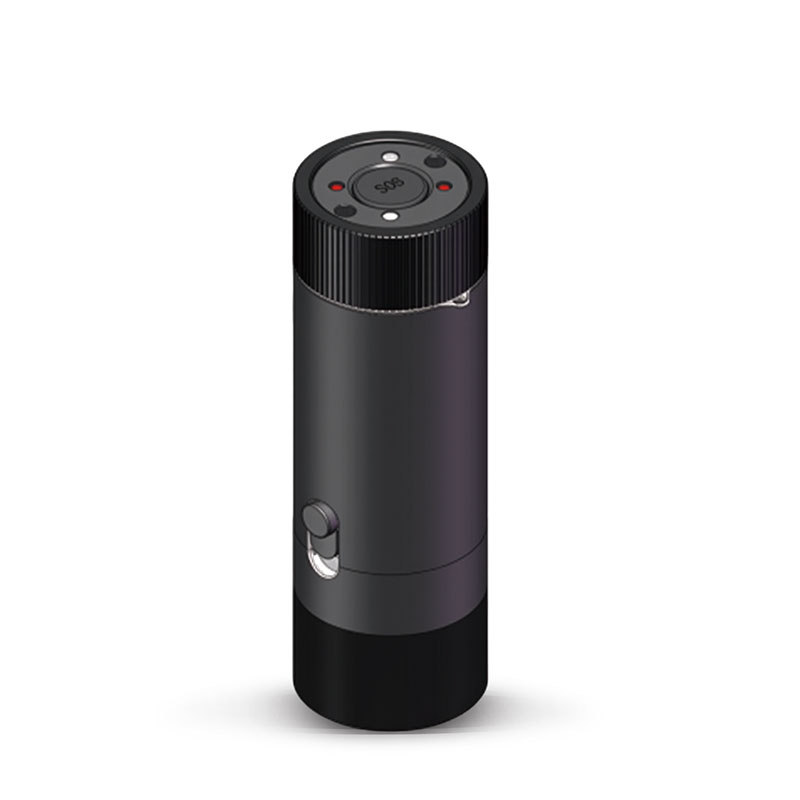 DIVER 103
 DIVER 104
 DIVER 105
 DIVER 106
 SLLR3000
 SLLR905
 SLLD25
 160M
160M 170M
170M SLFC-70
 SLAF280
 MR360
MR360